
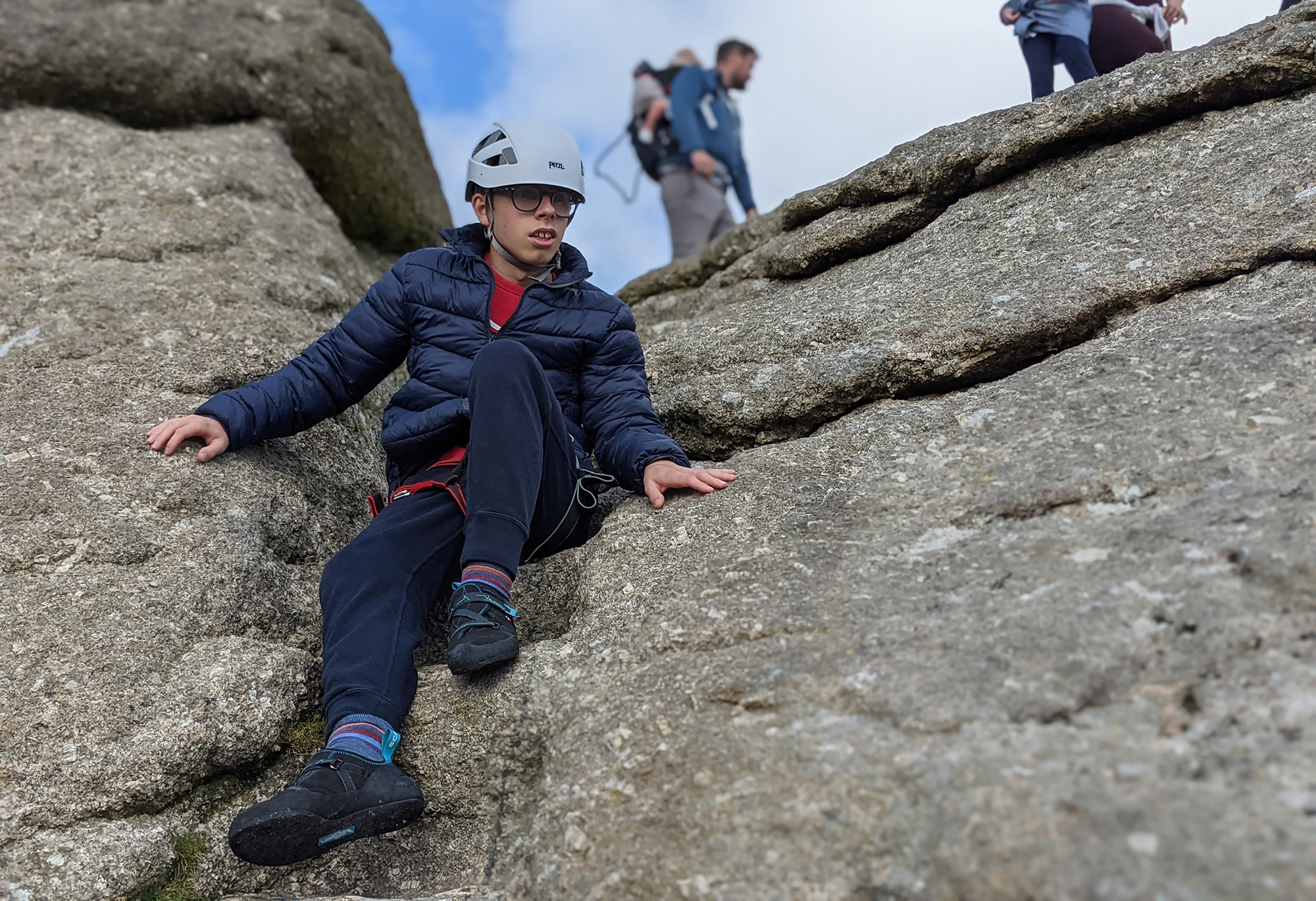
Our aim is to make a positive and lasting impact on children, adults, and families by improving lives through time spent in the outdoors.
Adventure therapy has been practised since the 1960s, and its benefits are well established and widely documented. By combining nature-based activities with supportive, therapeutic approaches, adventure therapy delivers meaningful mental and physical health benefits. It helps to build self-esteem, strengthen resilience, and develop social skills, while supporting individuals in managing challenges such as anxiety, depression, trauma, and addiction.
Time spent outdoors and engaged in physical activity can also help reduce stress hormones, such as cortisol, and improve overall mood through experiential learning.
Data Collection
We gather as much feedback and data as possible from our participants. To date, our findings consistently show positive outcomes, including improvements in mood and wellbeing—particularly among families with younger children.
We collate and share our research with public sector partners, contributing insights, practical applications, and new ideas around the benefits of outdoor and adventure-based therapy.
Key Benefits of Adventure Therapy
- Improved Mental Health
Participants often experience reduced symptoms of anxiety and depression, along with support in managing trauma, PTSD, grief, and eating disorders. - Improved Physical Health
Regular physical activity supports cardiovascular health, improves sleep, and strengthens the immune system—contributing to a more positive overall outlook. - Enhanced Emotional Resilience
Facing challenges in a safe and supportive environment helps individuals develop stronger coping strategies and greater emotional resilience. - Increased Self-Esteem & Confidence
Successfully completing activities such as climbing, hiking, or kayaking builds confidence, encourages self-belief, and fosters a more positive self-image. - Stronger Social Connections
Group activities promote teamwork, communication, and the development of meaningful relationships. - Reduced Stress
Spending time outdoors—breathing fresh air and engaging in physical activity—can significantly reduce stress levels. This positive impact often extends beyond the individual to families and those around them.
Activities such as hiking, climbing, kayaking, mountain biking, and surfing all contribute to these outcomes, encouraging self-reliance, trust, and a deeper connection with the natural environment.